

Imagine if all the children born today in South Africa were represented by just two of them. Statistically speaking, one child will receive an abundance of nutrition, love, security and stimulation – the building blocks for healthy development; the other will miss out on much of these as their brains develop. While still in utero and in the months and years immediately after birth, the brain builds upon itself and essential brain architecture is established. For the child with access to the building blocks for healthy development, millions of neural connections are made as she is stimulated; for the child without access to these building blocks, far fewer connections are made and the circuitry does not develop optimally. Thus these two lives are projected onto two completely different growth paths – on the one path there is the potential to seize many of life’s opportunities; on the other the possibilities are greatly reduced.
In the years that follow, language and literacy development will be an important factor that will either widen the gap between these children, or will be the key to significantly reducing the gap. Once they go to school, understanding is key to learning, and as they progress from one grade to the next, language and reading is the key to understanding.
The good news is that our brains never stop developing. If we stimulate it, it will develop in different ways. If we read and speak to infants, they will develop language. If we help children to read, and they do it often because they enjoy it, they will start to read better. If they read, they can learn; if they learn, the world opens up for them.
Let’s read to children from birth. Let’s help children to love reading.
THE STORY OF HOW READING FOR ENJOYMENT CAN CHANGE OUR COUNTRY

Some ideas, tools and experience that can help us get South Africa reading:
- All
- Ideas
- Tools
- Experience
- Share Your Thoughts

Biblionef Learning Brief 
Story-Powered Nation 
A Snapshot of Our Reading Culture 
A million happy faces: Nal’ibali talks about the success of World Read Aloud Day 2018 
How to make sense of mother-tongue instruction debates 
“Your child is also my child” – becoming part of an “army of adults” reading to children 
The “ordinary magic” that can change a child’s future 
Why big business must get behind reading 
Why listening to stories is part of learning to read 
How literature can bring about social development in South Africa By David Harrison 
Let’s get South Africa reading: Strategies involving all of us 
Why reading for pleasure? A handy infographic 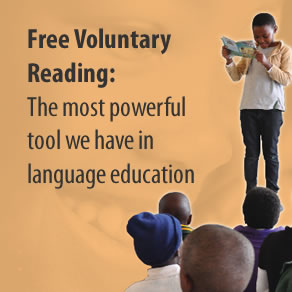
Free Voluntary Reading: The most powerful tool we have in language educationBy Dr. Stephen Krashen 
The Nal’ibali Reading-for-Enjoyment Campaign in a Nutshell 
Nal’ibali Children’s Literacy Charters – Telling us what children need to love reading and writing 
A Short Guide to Incorporating Reading for Pleasure in the Classroom 
Wordworks early literacy poster 
CAPS allocation for reading 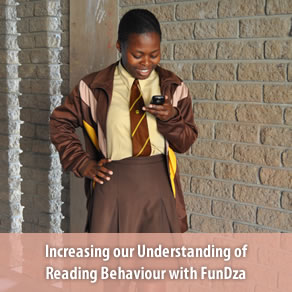
What motivates South African young people to read? By the Fundza Literacy Trust 
Finding the courage to fail By Katie Huston 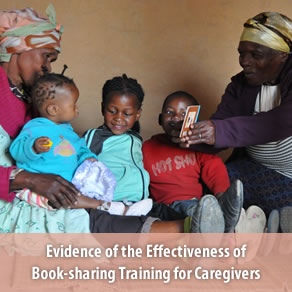
Addressing South Africa’s Education Crisis: The Promise of Mother-Child BooksharingBy Mark Tomlinson 
Helping children read for joy in rural settings By Axium Education 
How to Create School Libraries that Support Self-Directed Approaches to LearningBy the Bookery 
How can we accelerate reading development? Insights from India.Feedback From a Learning Tour 
Brain food for growing minds 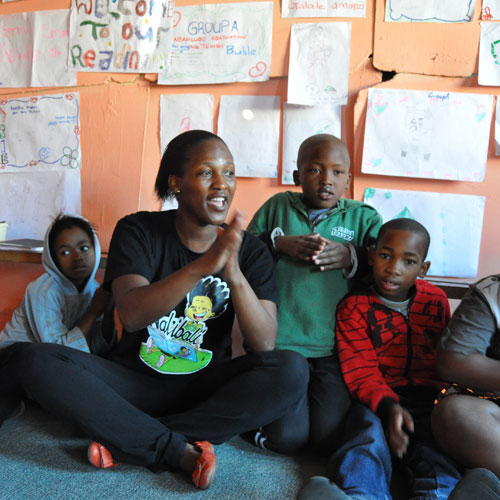
Growing young readers and writers: underpinnings of the Nal’ibali National Reading-for-Enjoyment Campaign 
The FunDza Literacy Trust: Evaluating a technology-driven reading for pleasure programme 
Wordworks engaging parents and communities to support early language and literacy: Free resources 
Nal’ibali: ‘Here’s the story’ – in your mother tongue! 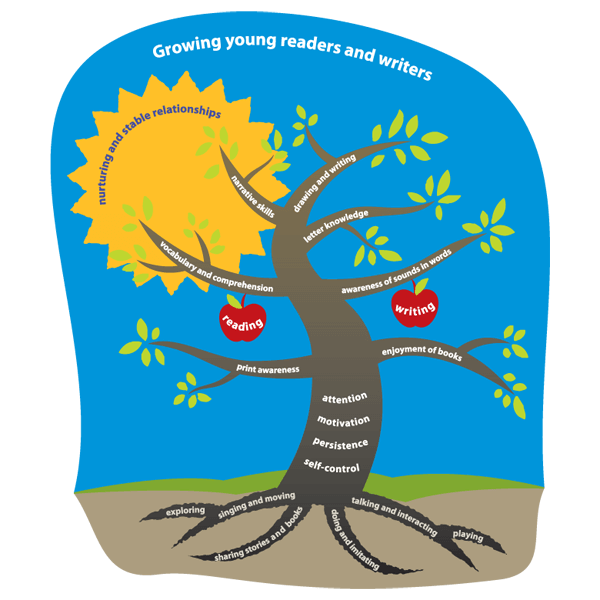
Wordworks Policy Briefing 2 – Early language and literacy: What skills and understanding do young children need? 
Wordworks on early language, literacy and mathematics learning: Why it matters and who benefits 
Literacy: The simple profound something we can all do 
What we learned about basic literacy education in India – The Pratham’s Joint Review Mission 
67 Ideas to spark a love of reading and writing among children 
Narrowing the literacy gap: Making a case for the importance of early language and literacy development in South Africa 
Wordworks community interventions for early literacy learning 
Please take a quick moment to share your thoughts on these resources with us